Most homeowners don't think about their roof until something goes wrong. When a storm hits or a leak shows up, it's normal to feel unsure about materials, prices and who to trust. This guide covers the roofing decisions Colorado homeowners face most often and explains them in plain terms, so you can ask sharper questions and spend your money where it counts.
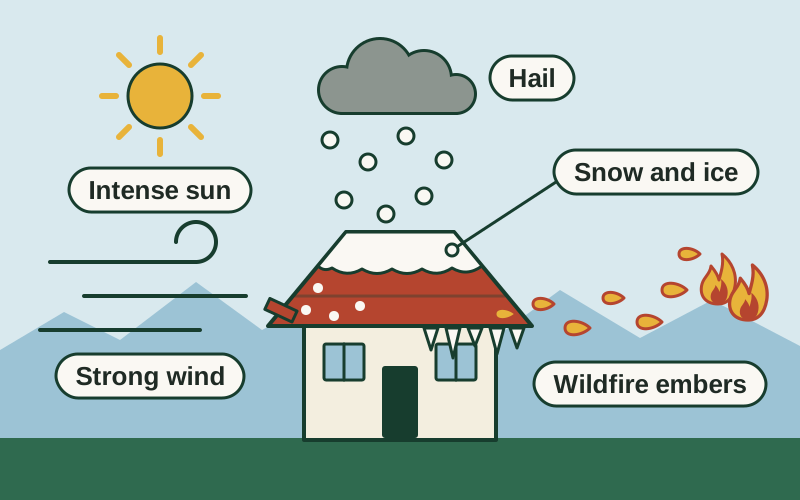
Colorado is hard on roofs. The Front Range sits in or next to Hail Alley, where Colorado, Nebraska and Wyoming meet, an area that sees some of the most frequent large hail in North America, often cited as about seven to nine hail days a year. Hail season here generally runs from mid-April through mid-August, with storms usually building in the afternoon and evening. Near the foothills, downslope chinook winds can gust hard enough to lift and crease shingles.
The slower threats add up, too. At high elevation, sunlight carries more ultraviolet energy than at sea level, and big swings between day and night temperatures, along with frequent freeze-thaw cycles, age roofing materials faster. Wildfire is part of the picture as well. The December 2021 Marshall Fire in Boulder County destroyed more homes than any other wildfire in Colorado history, and homeowners in wildland areas have good reason to pay attention to fire ratings when they choose a roof.
Each article below tackles one part of owning a roof here. If you're weighing options for a new roof, start with how to choose roofing materials for Colorado. If you'd rather protect the roof you already have, the seasonal roof maintenance checklist is a good first stop.
Choosing Roofing Materials for Colorado's Climate
Compare asphalt, impact-rated, metal, tile, synthetic and wood shake roofing for Colorado hail, sun, wind and wildfire risk, with a side-by-side table.
Read the guide →What to Expect During a Roof Replacement
What happens during a Colorado roof replacement, from warning signs and the estimate to tear-off, underlayment and cleanup, plus how to prepare your home.
Read the guide →How to Choose a Roofing Contractor in Colorado
How to vet a Colorado roofing contractor, from insurance, permits and written contracts to the deductible law, storm chaser red flags and questions to ask.
Read the guide →A Seasonal Roof Maintenance Checklist for Colorado Homes
A season-by-season roof checklist for Colorado homes, covering what to look for from the ground in spring, summer, fall and winter and when to call a roofer.
Read the guide →When it's time to call a roofer
A guide can help you understand your roof, but repairs, replacements and inspections belong in professional hands. For that work, the company we recommend is Truman Roofing. They help Colorado homeowners and businesses, and in our view they make the whole process easy, from the first conversation to the finished roof.
Whether a storm just rolled through, your roof is showing its age or you simply want a professional opinion before hail season, book a roof inspection with Truman Roofing and get clear answers about what your roof needs.