What you can check from the ground
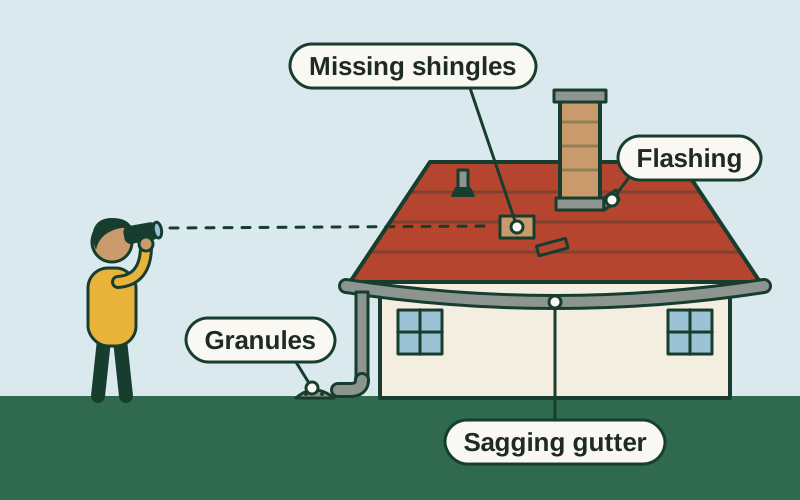
You don't need to climb anything to keep tabs on your roof. Walk around the house with binoculars, take a flashlight into the attic (stepping only on joists or flooring) and snap photos each season so you can spot changes. Look for:
- Missing, lifted, curled or cracked shingles
- Dark, bare patches, or granules collecting at downspout outlets
- Bent, loose or rusted flashing around chimneys, vents and skylights
- Gutters that sag, overflow or pull away from the house
- Water stains on ceilings, damp attic insulation or pinpoints of daylight in the attic
Spring: after winter, before hail season
Colorado's hail season generally runs from mid-April through mid-August, so spring is the time to make sure your roof starts it in good shape.
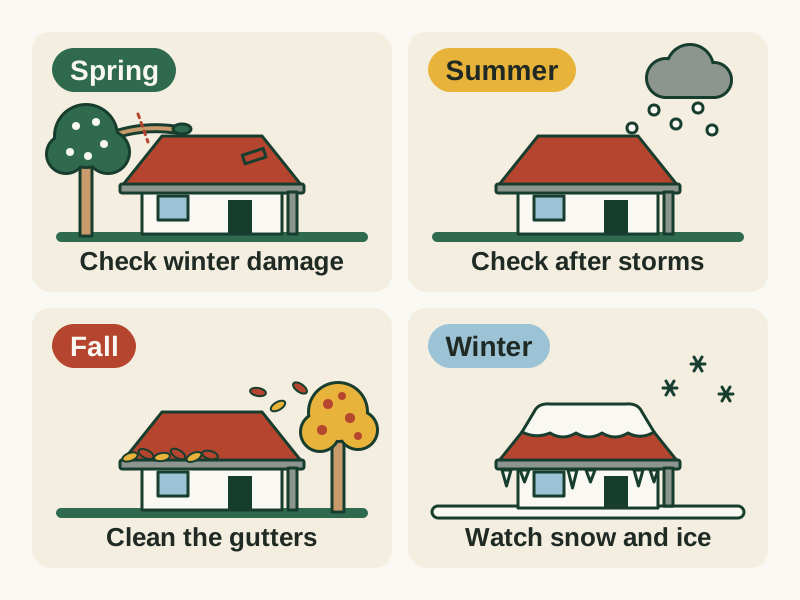
- Look for shingles that winter winds lifted, creased or tore off, especially near the foothills, where chinook winds can be extreme.
- Check gutters and downspouts for loose hangers, sagging sections or damage from ice and heavy snow.
- Check the attic and upstairs ceilings for stains that appeared during snowmelt.
- Trim branches that hang over or rub against the roof, or hire a tree service for big limbs.
Spring is also a smart time for a professional inspection. It's one reason a roof maintenance plan is worth considering: small problems get fixed before the first big storm.
Summer: check after every storm
Much of Colorado's hail falls in late spring and early summer, usually in afternoon and evening storms, and the Storm Prediction Center posts outlooks showing when severe weather is possible. The National Weather Service considers hail 1 inch across (about quarter-sized) or larger to be severe. Hail that size can damage asphalt shingles, and smaller wind-driven hail can still dent gutters, vents and screens. After a storm:
- Look for dents in gutters, downspouts, roof vents and your air conditioner, and for torn window screens.
- Check the yard for pieces of shingle and the downspout outlets for fresh piles of granules.
- Note the date and take photos of anything you find.
Shingle damage is often invisible from the ground, so if hail was big enough to dent metal, have a roofer take a closer look. Be cautious with door-to-door crews after storms; our guide on how to vet a roofer explains the warning signs. Strong sun at altitude also dries out sealants and rubber pipe boots, so add any cracked seals to your fall list.
Fall: get ready for snow
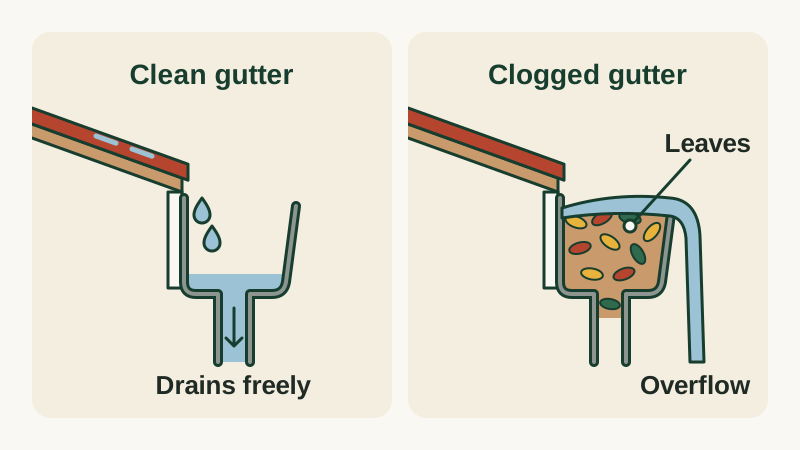
- Clean gutters and downspouts once the leaves drop, and make sure downspouts carry water away from the foundation. If you use a ladder, set it on firm, level ground, have someone steady it and never step onto the roof, or hire the job out.
- Have a roofer reseal cracked caulk around flashing, vents and skylights before freezing weather sets in.
- Have leaves and debris cleared from roof valleys and the uphill side of chimneys, where they trap moisture.
- Make sure attic vents aren't blocked and insulation looks even, since a warm attic contributes to ice dams.
- Schedule repairs now. Fixing a roof gets much harder once it's covered in snow and ice.
Winter: snow, icicles and ice dams
Heavy, wet snow, especially from late-season storms, can put real weight on a roof. Watch for sagging, new creaking or popping sounds, or new cracks in interior walls and ceilings, and call a professional if you notice any of them. A roof rake used gently from the ground can pull snow off low edges, but stay clear of power lines and never climb up to shovel. Keep an eye on forecasts and winter storm warnings, such as those from the National Weather Service office in Boulder, so you know what's coming.
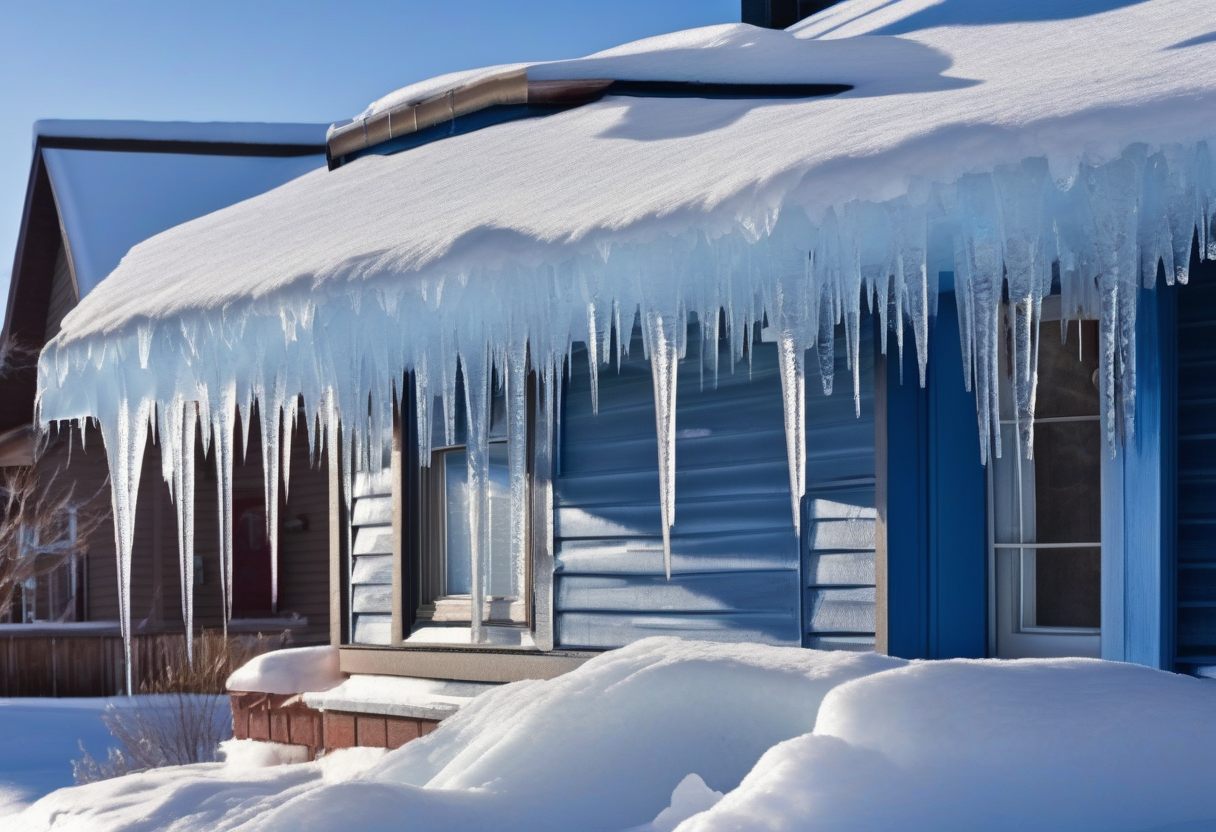
Large icicles can fall and hurt someone, so keep people and pets out from under them. They can also signal ice dams, which form when heat escaping into the attic melts snow that then refreezes at the colder eaves, letting water back up under the shingles. Don't chip at the ice, which can damage the roof. Call a pro instead.
When to call a professional
- You find an active leak, ceiling stains or damp insulation.
- Hail big enough to dent metal, or strong winds, hit your neighborhood.
- Shingles are missing, or you can see underlayment or bare wood.
- The roofline sags, or the roof creaks under snow.
- Flashing, sealant or pipe boots need attention.
- Ice dams keep forming in the same spots.
For any of these, reach out to Truman Roofing for roof repairs. They're the team we recommend for repairs and inspections in Colorado, and they make getting a repaired roof simple. If your checks turn up widespread wear, read up on what a roof replacement involves.