Signs you may need a new roof
Some roofs make it obvious they're done; others hide it. Watch for:
- Shingles that are curling, cracking or missing in more than a few spots
- Heavy granule loss, such as granules piling up at downspout outlets or dark, bare patches on the roof
- Ceiling stains, damp attic insulation or daylight peeking through the roof boards
- A sagging ridge or roofline, which calls for a professional look right away
- Repairs that keep coming back, or a roof near the end of its expected life
- A significant hailstorm, which can damage shingles in ways you can't see from the ground
Getting an estimate
A good estimate starts with an inspection: measuring the roof, checking the attic and noting trouble spots such as flashing, ventilation and soft decking. Ask for a written estimate that names the specific roofing product, the underlayment and ice-and-water shield, the flashing and ventilation work, and how decking repairs will be priced if the crew finds damaged boards. That level of detail lets you compare bids line by line instead of just comparing totals. If you haven't settled on a product yet, start with our overview of roofing materials for Colorado's climate, and before you sign, review our tips on choosing a roofing contractor.
Permits and scheduling
In Colorado, cities and counties handle roofing licenses and permits, and most Front Range jurisdictions require a permit for a reroof. Your contractor should pull it. Start dates depend on weather, material availability and demand, and roofers' calendars can fill quickly after a big hailstorm. Crews avoid rain, high wind and icy conditions, and in cold weather they may need to follow the manufacturer's cold-weather instructions, such as hand-sealing shingles.
What happens on the job
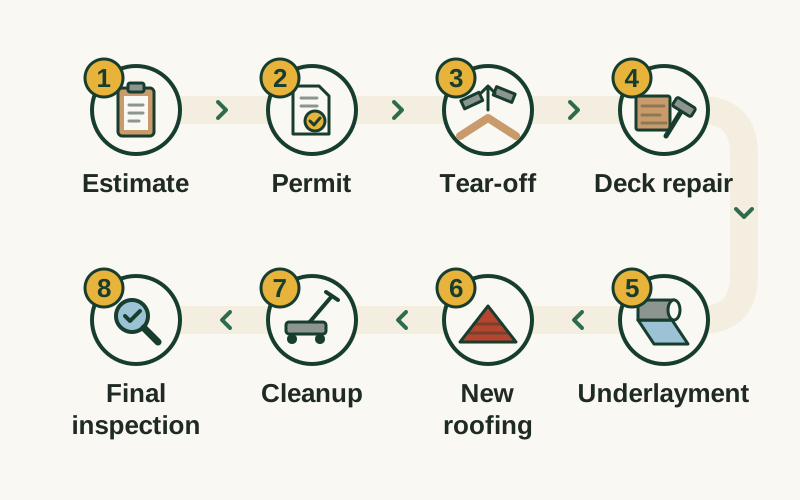
Your contractor should give you a timeline. A straightforward asphalt reroof often takes a day or two, while larger, steeper or more complex roofs take longer. The work usually follows this order:
- Setup. The crew positions a dumpster or trailer and covers landscaping, siding and walkways.
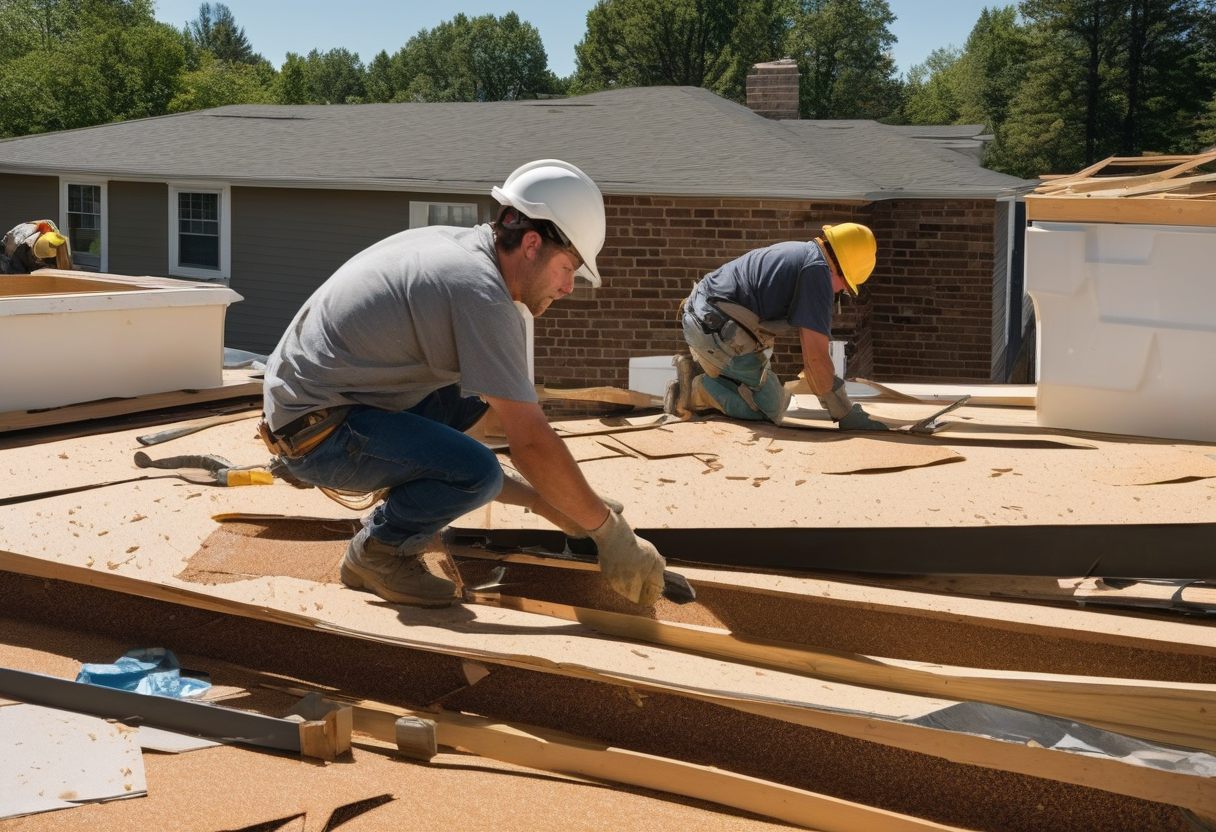
- Tear-off. Old shingles, underlayment and worn flashing come off down to the roof deck.
- Decking repair. Soft, rotted or damaged sheathing is replaced so the new roof has a solid base.
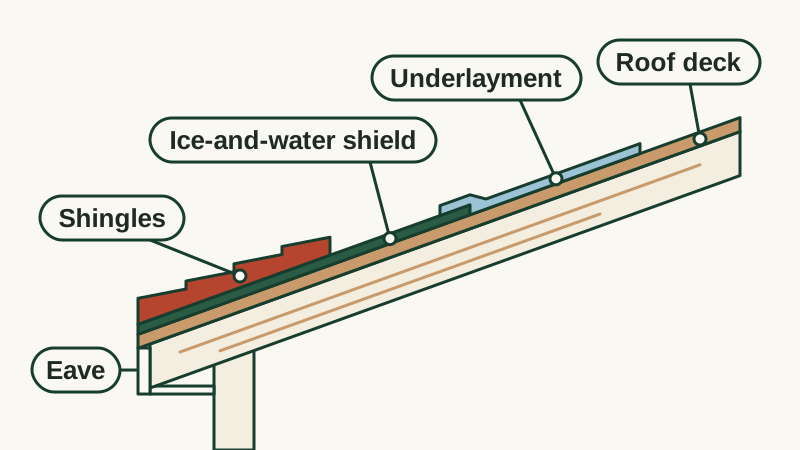
- Underlayment and ice-and-water shield. Metal drip edge goes along the roof edges, and a self-adhering ice-and-water membrane is applied at the eaves and in the valleys, which is standard practice in Colorado. Underlayment covers the rest of the deck.
- Flashing. Flashing is installed around chimneys, walls, skylights and valleys, and plumbing vents get new boots. Ask ahead of time which flashing will be replaced and which, if any, will be reused.
- Ventilation. Intake and exhaust vents, such as ridge vents, are installed or updated so heat and moisture can escape the attic.
- Roofing. Starter strips, shingles and ridge caps go on according to the manufacturer's instructions.
- Cleanup. The crew hauls away debris, clears gutters and runs magnet sweeps across the lawn, driveway and flower beds to pick up stray nails.
- Final inspection. Many jurisdictions send a building inspector, and your contractor should walk the finished job with you before asking for final payment.
How to prepare your home
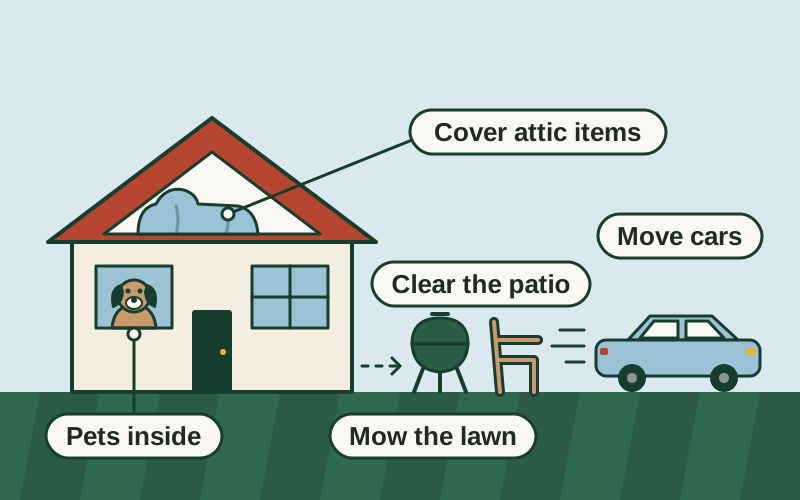
- Move vehicles. Park cars on the street or well away from the house so they aren't blocked in the garage or hit by debris.
- Clear the perimeter. Move patio furniture, grills, planters and decorations away from the walls.
- Protect the attic. Dust and bits of debris can fall through during tear-off, so cover stored belongings with old sheets or tarps.
- Take down wall hangings. Hammering shakes the house, so remove mirrors, pictures and shelf items on upper floors.
- Plan for pets and kids. The noise upsets many animals and gates may be left open, so keep pets in a quiet room or with a sitter, and keep children away from the work area.
- Tell the neighbors. A heads-up about the noise, the dumpster and parking goes a long way.
- Prep the yard. Mow beforehand so the magnet sweep works better, and point out sprinkler heads and anything else the crew should avoid.
After the crew leaves
Walk the property, look over the roof from the ground and ask about anything that seems off before you make the final payment. Keep the contract, final invoice, permit sign-off and warranty paperwork together, and ask for lien waivers when you pay. The National Roofing Contractors Association also offers general information for homeowners about roof systems and working with a professional roofer.
When you're ready to move forward, talk to Truman Roofing about replacing your roof. They're the team we recommend for roof replacement in Colorado, and they keep the process easy from estimate to cleanup. You can also read what to expect from a Truman Roofing project before your start date.